
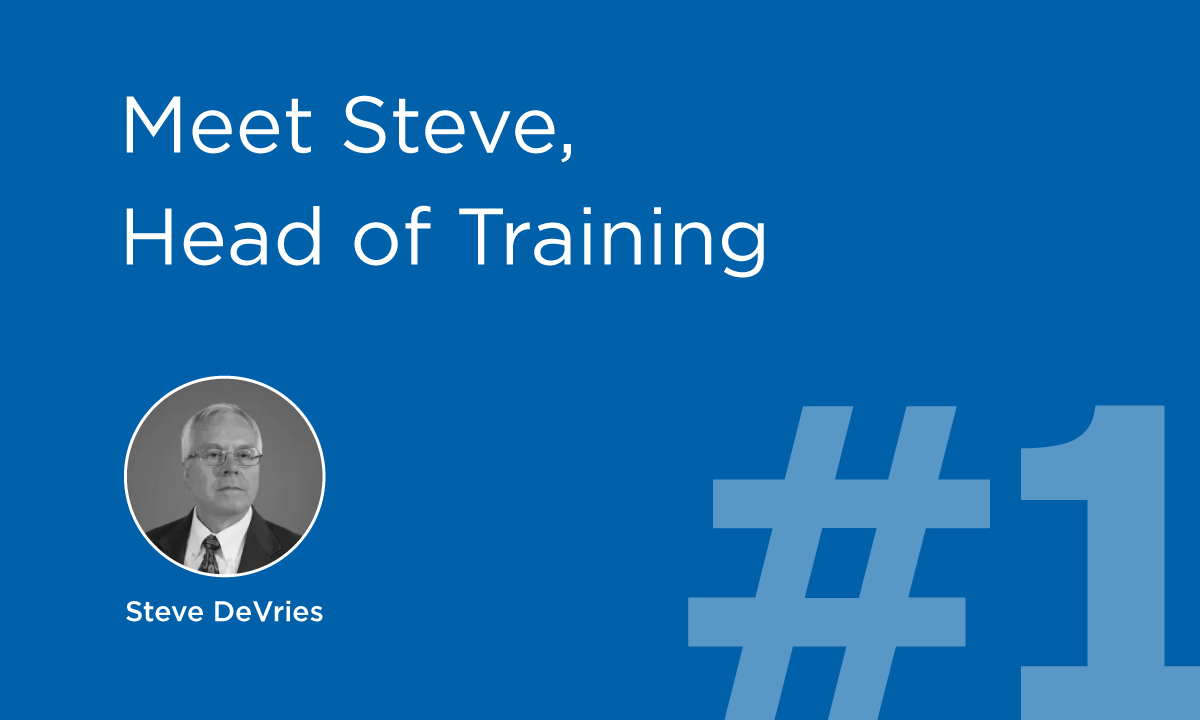
Q. From your perspective, where do telecom teams most often struggle today when it comes to signalling knowledge?
I'd say one big issue is that a lot of the protocols are legacy now, and many of the people who really understood them have moved on or retired. At the same time, the networks themselves have kept evolving. People are expected to understand multiple generations at once — 2G, 3G, 4G, 5G — and how they all interact. Take signalling as an example. SS7 was everywhere in 2G and 3G. Diameter appeared on many interfaces in 4G, but it's not part of the 5G core network in the same way. These transitions create gaps.
Q. Is that gap mainly technical, or do you see it at other levels too?
It's definitely not just technical. You see it across engineering support, roaming teams, operations, even at management and C-level. People might be very capable in their own area, but they don't always have a shared mental model of how the network fits together. Without that, conversations become harder. Decisions take longer. Teams end up relying on a small number of specialists, and that's risky. What we try to do is give people enough grounding that they can ask better questions and contribute more confidently.
Q. You've been working with signalling for a long time. How did you first get into it?
I was introduced to SS7 while I was at Bell Communications Research — Bellcore — which later became Telcordia Technologies. Before that I'd been working in technical support at Ameritech. At Bellcore I moved into training and development, and that's where I really started teaching signalling in a structured way — SS7, Intelligent Networks, and later other protocols as they emerged. Over time, training became the thing I cared most about: helping people actually understand how these systems work.
Q. How has teaching signalling changed since those early days?
The fundamentals are still the same, but the context is much more complex. Years ago, you might focus deeply on one protocol in one generation. Now people need to understand how multiple protocols coexist, how legacy networks interact with newer cores, and how security fits into all of that. Another big change is the audience. Training isn't just for engineers anymore. Product teams, sales, support, even marketing roles benefit from understanding how signalling really works. That means adapting how you teach, not just what you teach.
Q. And you tailor your programs. Why is that so important?
Because no two teams are the same. An MNO might have people who need a high-level overview so they can make better decisions, and others who need to go very deep into a specific protocol or interface. That's why the modular approach matters. Someone in a non-technical role might take an architecture and signalling overview, while engineers go on to deep dives into SS7, Diameter, GTP, SIP, VoLTE, or 5G signalling. It's about relevance. If people can connect the training directly to their work, it sticks.
Q. What do you think genuinely sets Cellusys training apart from other telecom courses?
Two things, really. First, the training is grounded in real networks and real problems. This isn't academic theory, it's informed by what Cellusys engineers see every day in live operator environments. Second, there's a strong belief here in sharing knowledge, not hoarding it. The idea isn't to make systems feel mysterious or inaccessible. It's to raise the overall level of understanding so teams can operate with more confidence and independence. That applies internally and externally.
Q. How does your role work internally within Cellusys?
A lot of my time is spent helping new people build a solid foundation quickly, regardless of their role. Even very experienced hires benefit from stepping back and seeing the full signalling picture. When people understand how things fit together, across generations, protocols, and security, they collaborate better. They spot issues sooner. And they're more comfortable talking to customers, because they really understand what's under the hood.
Q. You teach at CodeCamp, too, which is referred to as part of the 'talent ecosystem'. What does that mean to you in practice?
To me, it means recognising that talent exists everywhere, but opportunity doesn't. If you can give people the right knowledge and context, you can dramatically change what they're capable of. Training isn't just about transferring information. It's about building confidence and curiosity. Once people start asking the right questions, they keep learning on their own, and that's when the real impact happens.
Q. What keeps you motivated after so many years in the industry?
I still enjoy those moments when something clicks for someone, when a complex concept suddenly makes sense. That hasn't changed. The industry needs that more than ever. Networks are getting more complex, not less, and the number of experienced people is shrinking. Helping close that gap, even a little, feels worthwhile. If we can leave teams — and the industry — in a better place than we found them, that's a good outcome.
